
50 Creative Ways to Display Canvas Prints in Your Home or Office
Discover some creative, stylish, and professional ways to display canvas prints in your home or office. From gallery walls and staircase storylines to minimalist layouts and bold feature walls, this in-depth guide shows you how to transform your favourite photos into beautifully arranged canvas wall art.
Canvas prints are one of the most versatile and impactful ways to decorate a space. Whether you want to celebrate family memories, bring a favourite landscape into your living room, or add character to a minimalist office, canvas wall art offers a flexible and affordable solution.
Thanks to modern printing technology and high-quality materials, it is easier than ever to turn your photos into gallery-worthy art.
1. Classic Centrepiece Above the Sofa
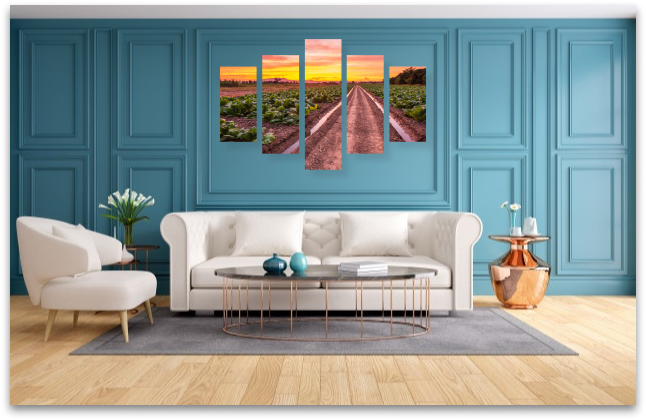
One of the most traditional yet effective ways to display a canvas print is to hang it centrally above the sofa. The sofa usually acts as the anchor for the living room, and a well-chosen canvas above it becomes the natural focal point. This arrangement works equally well with a single large canvas or a split canvas print.
When selecting the size, a good rule of thumb is to aim for a canvas that is around two-thirds the width of the sofa. This helps maintain visual balance and prevents the artwork from feeling either too small or overwhelmingly large. A landscape photograph, an abstract piece, or a family portrait can all work beautifully in this location.
2. Gallery Wall Mix
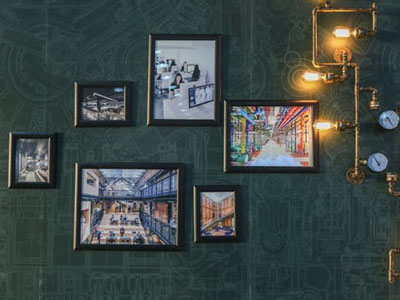
A gallery wall is a powerful way to showcase multiple canvas prints together. By combining different sizes and orientations, you can build a dynamic, layered arrangement that reflects your personality. Some homeowners choose a highly structured layout, while others prefer a more organic, free-form design.
Include a mixture of landscapes, portraits, typography, and abstract art to create visual variety. To plan your layout, you can first arrange the canvases on the floor or cut paper templates to tape to the wall. This helps you experiment with different compositions before you commit to drilling holes.
If you are unsure about which sizes will work well together, you can check choosing the right size wall art.
3. Staircase Storyline
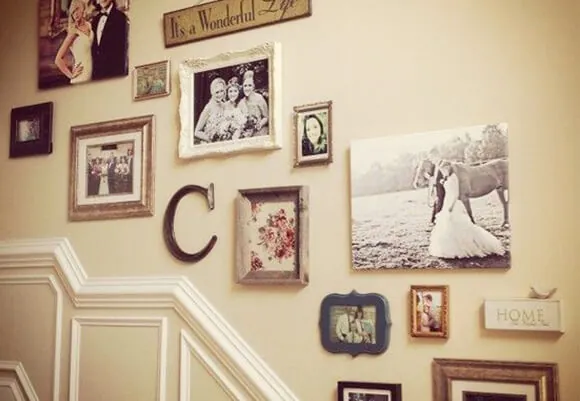
Staircases offer a fantastic opportunity for a narrative display. The upward movement of the stairs naturally draws the eye, making it an ideal location for a sequence of canvas prints that tells a visual story. You might choose to display family milestones, such as weddings, graduations, and holidays, or create an artistic series based around a theme like cities, beaches, or nature.
To maintain cohesion, keep the spacing between each canvas consistent and follow the incline of the handrail. Many people find it helpful to align the centre of each canvas at a similar distance above the steps, creating a smooth visual line as you ascend.
4. Shelf-Leaned Canvas Arrangement
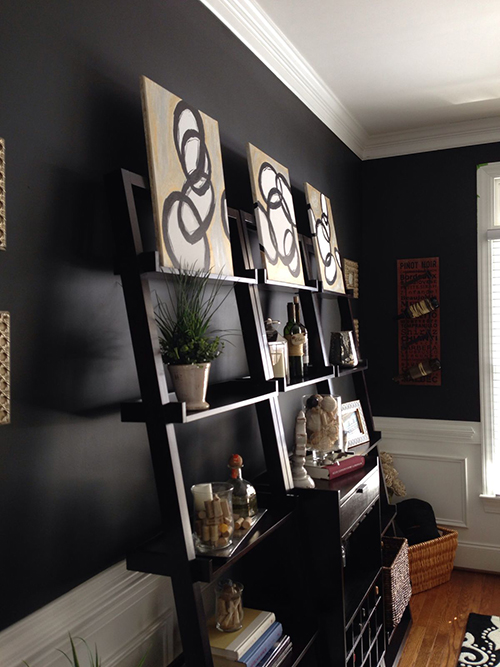
Leaning canvases on shelves is a relaxed, contemporary approach that works well in living rooms, bedrooms, hallways and home offices.
Instead of fixing each canvas to the wall, you place them on picture ledges or deep shelves and simply lean them against the wall. This gives the space a casual, studio-like feel and allows you to refresh the arrangement as often as you wish.
You can layer smaller canvases in front of larger ones and mix in books, plants and decorative objects for added depth. This method is excellent for renters or anyone who prefers to minimise drilling into walls.
5. Entryway Focal Point
The entryway is the first impression visitors have of your home, and a carefully chosen canvas print can set the tone immediately. A striking landscape, a bold abstract design, or a welcoming family portrait placed near the front door or above an entry console table instantly makes the space feel considered and personal.
For maximum impact, choose an image that reflects the personality of your household, something that makes you smile every time you walk through the door. If you want to transform a favourite photograph into a custom entryway canvas, you can use the Photo to Canvas service on our website.
6. Symmetrical Pairing
Symmetry creates a sense of stability and calm, which is why paired canvases work so well in many interior schemes. Two matching or coordinated prints hung side by side above a bed, console, or sideboard can feel elegant and timeless. This approach is particularly effective in bedrooms, formal dining rooms, or refined living spaces.
To achieve balance, hang the canvases at identical heights and keep the gap between them consistent. You can opt for two identical prints, mirrored compositions, or related images from the same collection.
7. Split Panel Designs (Diptych or Triptych)
Split panel canvases divide a single image into two (diptych) or three (triptych) panels. When hung with small gaps between each panel, the result is dramatic and contemporary. This style enhances the sense of scale and depth, making it ideal for large feature walls or open-plan spaces.
Panoramic landscapes, city skylines, and abstract designs work especially well as split-panel canvases. When ordering, ensure that each panel is printed and aligned correctly so that the image flows seamlessly from one canvas to the next.
8. Oversized Statement Canvas
An oversized canvas has the power to completely transform a room. Instead of arranging multiple smaller prints, you can choose one large-scale piece that dominates a wall and becomes the primary focus. This minimalist approach is particularly effective in modern interiors where clean lines and simple forms are celebrated.
Oversized prints work well above sofas, beds, and dining tables, or on wide walls in hallways and open-plan kitchen-living areas. A high-resolution image is essential for large formats, so be sure to check the recommended file quality using the Image Resolution for Printing Guide.
9. Above the Fireplace Mantel
The fireplace has long been a natural focal point in a room. Placing a canvas above the mantel draws the eye upward and emphasises the architectural centre of the space. Depending on your interior style, you can choose a modern abstract, a classic landscape, or a family portrait.
Ensure that the canvas is proportionate to the width of the mantel and leave a little breathing space between the top of the mantel and the bottom of the canvas. Some people prefer to hang the print, while others simply lean it on the mantel for a more relaxed, flexible look.
10. Hallway Linear Display
Hallways can easily feel like neglected, purely functional spaces. A linear arrangement of canvas prints along one side of the corridor instantly adds interest and character. You can hang a series of identically sized prints at equal intervals for a clean, structured look, or mix sizes and orientations for a more informal gallery effect.
Travel photographs work especially well in hallways, turning a simple passageway into a visual journey through your favourite destinations.
11. Grid Layout
A grid layout offers a neat, contemporary way to display multiple canvas prints. By using the same size for each canvas and arranging them in a perfect grid, you create a strong sense of order and rhythm. This style is ideal for collections such as botanical illustrations, black-and-white portraits, or architectural details.
A grid layout works best when spacing is consistent both horizontally and vertically. Plan the arrangement carefully and use a spirit level to ensure precise alignment.
12. Picture Ledge Layering
Picture ledges allow you to layer canvases in front of one another to create depth and interest. This method is particularly appealing if you like to change your décor regularly, as you can easily switch or re-position canvases without re-hanging them.
Combine canvases with framed prints, books, small sculptures, and plants to create a rich and varied display. This works especially well in living rooms and bedrooms where you want a relaxed, collected feel.
13. Monochrome Theme Wall
Monochrome canvas prints, particularly in black and white, have a timeless appeal. A wall dedicated to black-and-white photography or artwork can look sophisticated and cohesive, whether your home is contemporary, industrial, or classic in style.
Try pairing monochrome canvases with neutral wall colours for a soft, harmonious look, or with deep tones such as charcoal or navy for a more dramatic contrast.
14. Mirrors and Canvas Combination
Combining mirrors with canvas prints is an effective way to enhance both light and visual interest. Mirrors reflect natural and artificial light, helping a space feel brighter and larger, while the canvases add warmth, colour, and personality.
For a balanced composition, arrange mirrors and canvases so that they share a similar visual weight. You might pair a large mirror with one substantial canvas, or group smaller mirrors around a central piece of wall art.
15. Above the Bed Canvas Display
The wall above the bed is a prime location for artwork. A carefully chosen canvas can anchor the headboard and tie together the bedding, furniture, and accessories. Many people opt for calming imagery in the bedroom, such as soft landscapes, abstract washes of colour, or minimalist line art.
You can hang a single large canvas, a pair of coordinated prints, or a triptych above the bed. Just ensure the bottom edge sits comfortably above the headboard to avoid overcrowding the space.
16. Corner Canvas Clusters
Corners are often overlooked in interior design, yet they offer valuable vertical wall space. A cluster of small canvases positioned across two adjoining walls can turn an unused corner into an unexpected focal point.
Consider a set of related images, such as a series of botanical prints or close-up textures, and arrange them so that they wrap around the corner. This technique works well in reading nooks, bedrooms, and compact living areas.
17. Accent Wall Installations
Accent walls, painted a different colour from the rest of the room, are perfect backdrops for canvas prints. A deep, saturated tone can make artwork stand out vividly, while a softer hue can unify a group of canvases more subtly.
If you have a bold feature wall, choose canvases that either complement the existing colour palette or introduce a deliberate contrast. For example, cool-toned prints look fresh against a warm terracotta wall, while warm prints feel inviting against deep blue or grey.
18. Children’s Room Storyboard
Canvas prints are an excellent way to decorate children’s rooms, combining durability with playful design. A storyboard-style arrangement can feature characters, animals, letters, or scenes that spark imagination and storytelling.
You might display a sequence of canvases that spells out the child’s name, illustrates a favourite nursery rhyme, or depicts a hobby.
19. Theme-Based Canvas Wall
A theme-based wall brings a sense of cohesion to a collection of canvases. Themes might include travel, nature, cityscapes, family, food, vintage posters, or a specific colour palette. By uniting the prints around a single idea, you create a curated, editorial feel.
Theme walls are particularly effective in open-plan spaces, where they help define different zones, such as a dining area, a reading corner, or a workspace.
20. Minimalist One-Print Display
Minimalist interiors often favour restraint over abundance. In such spaces, a single, carefully chosen canvas on a large, empty wall can be more powerful than an entire gallery. The key is to select a piece that genuinely resonates with you and to give it room to breathe.
This approach works beautifully in calm, uncluttered bedrooms, hallways, and modern living rooms.
21. Kitchen Above-Cabinet Display
The space above kitchen cabinets can sometimes feel like dead space, yet it is perfect for canvas prints. Food-themed artwork, coffee imagery, herbs, fruits, or vintage-inspired designs all suit the kitchen environment.
As this area is not usually viewed up close, larger prints or bold imagery tend to work best. Just ensure that the canvases are positioned away from direct heat sources and moisture where possible.
22. Fireplace Mantel Leaning Style
Leaning a canvas on the fireplace mantel, rather than hanging it, creates a more relaxed, layered look. You can place the canvas slightly off-centre and pair it with candles, vases, seasonal wreaths, or small framed photographs.
The advantage of this method is flexibility: you can update the canvas or surrounding décor as often as you like, tailoring the look to different seasons or occasions.
23. Office Inspiration Wall
In a home office or work studio, canvas prints can serve both aesthetic and motivational purposes. Calming nature scenes, minimalist art, or city skylines can create a professional backdrop, while typography prints featuring favourite quotes or mantras can boost focus and motivation.
24. Typography and Canvas Mix
Mixing typography-based prints with photographic or abstract canvases gives a modern, editorial look often seen in magazines and boutique hotels. Typographic elements help break up visual content and can introduce meaningful words or phrases into a room.
Consider pairing a striking quote with a complementary photograph, positioning them either side by side or as part of a larger gallery wall.
25. Vertical Canvas Stacks
Narrow walls or tall, slim sections of wall space can be challenging to decorate. Stacking two or three canvases vertically is an elegant solution that accentuates height and makes use of restricted width. This technique is particularly effective beside doorways, wardrobes, or windows.
To create a strong vertical rhythm, use canvases of the same width and keep the spacing consistent between each piece.
26. Framing a Window with Canvas
Windows naturally draw the eye, and you can enhance this architectural feature by placing canvases on either side. This creates a balanced, framing effect and can help define the view as part of the room’s overall composition.
Light, airy imagery works well around windows, complementing the natural light. Avoid overly dark prints in areas where you want to preserve a bright, open feel.
27. Console Table Showcase
Console tables in hallways, dining rooms, and living rooms offer an excellent platform for styled vignettes. A large canvas above the console can set the theme, while the surface below can hold complementary décor such as lamps, books, plants, or bowls.
Choose a canvas that ties together the colours or materials of the items displayed on the console for a cohesive, well-resolved arrangement.
28. Seasonal Canvas Rotation
One of the joys of canvas prints is how easily they can be rotated throughout the year. You might have a set of winter-themed prints, another for spring, summer landscapes, and a collection especially for the festive season. By swapping canvases seasonally, your home décor remains fresh and relevant without major redecoration.
Store off-season canvases carefully in dry conditions, and consider labelling the backs with the season or room in which you like to use them.
29. Bathroom Canvas Display
Bathrooms are often dominated by tiles, mirrors, and practical fixtures, but they can also benefit from carefully chosen artwork. Moisture-resistant or laminated canvas prints can introduce a spa-like atmosphere, especially when featuring calming imagery such as seascapes, foliage, or minimalist abstract designs.
Position canvases away from direct water spray and ensure adequate ventilation to preserve their condition.
30. Colour Palette Coordination
Coordinating your canvas prints with the existing colour palette of your room helps create a harmonious and professional look. You can either match the dominant colours in your walls, textiles, and furniture, or introduce complementary shades that add depth and contrast.
If your room is mostly neutral, canvases can provide the perfect opportunity to add controlled pops of colour without overwhelming the space.
31. Floating Frame Enhancement
Floating frames are designed to sit around a canvas, leaving a small gap that creates the impression that the artwork is floating within the frame. This adds depth and a more gallery-like appearance without sacrificing the modern, frameless feel of a canvas.
Floating frames are an excellent choice when you want to elevate a piece for formal spaces such as dining rooms, offices, or living areas.
32. Canvas Behind Indoor Plants
Combining canvases with indoor plants is a simple way to create a lush, layered look. Placing a canvas behind a tall plant allows the foliage to partially overlap the artwork, softening the edges and adding natural texture.
Botanical prints, forest scenes, or nature-inspired abstracts pair especially well with houseplants, reinforcing the connection to nature.
33. Dining Room Trio Arrangement
A trio of canvases in the dining room, either in a straight line or a gentle stagger, can frame the dining table and produce a sophisticated, restaurant-like atmosphere. Choose imagery that complements the mood you want to create, whether that is cosy and intimate, bright and sociable, or refined and formal.
Ensure that the canvases are hung at eye level when seated to maximise their impact during meals.
34. Abstract Hero Piece
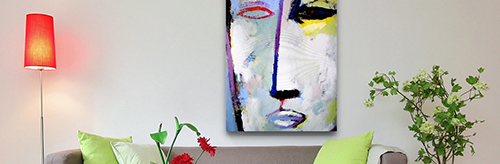
An abstract canvas can serve as a “hero” piece in almost any room. Its role is to set the tone for the space, whether that is serene and muted or bold and energetic. Abstract art is particularly versatile because it does not depict a specific subject, allowing it to blend with a wide variety of interior styles.
If you enjoy changing your décor regularly, an abstract hero canvas with a balanced colour palette can remain relevant through multiple updates to furniture and accessories.
35. Alcove or Niche Canvas Fit
Architectural features such as alcoves, niches, and recesses provide perfect frames for canvas prints. A custom-sized canvas that fits neatly within the available space can look highly bespoke and designer, as though the house was built around the artwork.
These locations are ideal for single standout pieces, particularly in living rooms, hallways, and bedrooms.
36. Boho Layered Display
Bohemian-inspired interiors often feature a rich mix of textures, colours, and patterns. Canvas prints can play a key role in this aesthetic when layered with woven wall hangings, macramé, baskets, and textiles.
Instead of aiming for perfect symmetry, embrace an eclectic mix and allow the arrangement to evolve. The result feels relaxed, personal, and effortlessly stylish.
37. Rustic Canvas and Wood Pairings
In rustic or farmhouse-style interiors, canvas prints pair beautifully with natural wood. Exposed beams, wooden shelves, reclaimed timber furniture, and canvas wall art combine to create a warm, welcoming environment.
Choose imagery that suits the mood, perhaps countryside scenes, vintage photographs, or muted floral prints, so that the artwork feels integrated with the overall rustic theme.
38. Mirror-Wrapped Canvas Showcase
Mirror-wrapped canvases are designed so that the image appears to continue around the sides of the frame, creating a seamless, premium look. This style is particularly effective where the sides of the canvas are visible, such as in hallways or open-plan spaces.
Mirror wrap is an excellent choice when you want a clean, contemporary finish without losing any important details on the front of the image. To learn more about how mirror wrap works in practice, you can read What Is Mirror Wrap Canvas?.
39. Canvas Above Radiators
Radiators often occupy prime wall space that can otherwise feel difficult to decorate. Hanging a canvas just above a radiator allows you to reclaim this area and create a more cohesive, considered look.
As with any heat source, it is wise to leave a sensible gap between the radiator and the bottom edge of the canvas. Light, airy imagery works particularly well here, keeping the space feeling open and bright.
40. Triptych Headboard Replacement
A triptych is a set of three related canvases that can serve as an eye-catching alternative to a traditional headboard. When positioned directly above the bed, it provides a visual anchor and introduces colour and pattern at roughly the same height as a headboard would occupy.
You might choose a panoramic landscape, a trio of abstract panels, or three complementary artworks that share a consistent palette. This approach works especially well in contemporary bedrooms where minimal furniture is preferred.
41. Colour-Blocked Wall Sections
Colour blocking involves painting large geometric shapes on the wall, such as rectangles, arches, or diagonal panels, and then placing canvases within or across these zones. The result is bold and design-led, adding architectural interest even in plain rooms.
Choose wall colours that enhance the artwork rather than compete with it. Soft, muted shades can create a supportive backdrop, while stronger colours provide graphic impact.
42. Shelf and Canvas Hybrid Wall
A hybrid wall combines shelving with canvas prints to balance storage and decoration. You might mount floating shelves on one side of the wall and hang canvases on the other, or alternate shelves and canvases in a checkerboard fashion.
This arrangement works well in living rooms, studies, and bedrooms where you want to display books, objects, and art cohesively.
43. Photo Timeline Display
A photo timeline is a meaningful way to chart important events or stages in life. By arranging canvas prints in chronological order, such as from childhood to adulthood, or across a series of holidays, you create a visual narrative that is both personal and engaging.
Hallways, staircases, and long walls are ideal locations for a timeline display, allowing viewers to walk through the story as they move along the space.
44. Framed Canvas Pairing
Although canvases are often displayed without frames, there is no reason you cannot frame them. A pair of framed canvases hung side by side brings added structure and elegance, giving the impression of high-end gallery pieces.
Choose frames that complement your décor, whether that is sleek black, warm wood, metallic, or painted finishes. The frame should support the artwork, not distract from it.
45. Stair Landing Feature Canvas
Stair landings provide a natural pause point where the eye and the feet both come to rest. A single feature canvas in this location can have a surprising impact, transforming what might otherwise be a purely functional area into a memorable moment in your home.
Consider using a bold or particularly meaningful image here, as it will receive focused attention each time you pass.
46. Ceiling-Line Canvas Alignment
Hanging canvases close to the ceiling line is a technique often used in galleries to emphasise height and create a strong visual horizon. This approach works particularly well in rooms with tall ceilings or in spaces where you want to keep lower wall areas relatively uncluttered.
You can run a single row of canvases around the room or focus on one feature wall where a high line of artwork makes a bold statement.
47. Canvas Inside Oversized Frame
Placing a canvas inside an oversized decorative frame creates a striking blend of traditional and contemporary styling. The ornate or classic frame contrasts with the modern simplicity of the canvas, resulting in a piece that feels unique and curated.
This is a particularly strong option for hallways, dining rooms, and formal living spaces where you want a sense of occasion.
48. Canvas and Fabric Wall Hangings
Pairing canvas prints with fabric wall hangings, such as tapestries, macramé, or woven textiles, adds variety in both texture and depth. The softness of fabric balances the solidity of canvas, and together they create a rich, layered wall surface.
To keep the display cohesive, use a complementary colour palette or repeated shapes and motifs across the canvases and textiles.
49. Floor-Standing Large Canvases
Extra-large canvases can be displayed directly on the floor, leaning against a wall, for an effortless studio-style aesthetic. This approach is popular in loft apartments, open-plan living areas, and creative studios where a slightly unfinished edge feels intentional and artistic.
Floor-standing canvases are also easy to move, making them ideal if you like to experiment with different layouts and viewpoints.
50. Multi-Room Canvas Storytelling
Finally, consider extending your ideas beyond a single wall or room. A series of canvases spread throughout different spaces in your home can tell a broader story. For example, travel images may begin in the hallway, continue in the living room, and conclude in a home office, while a nature theme might run from the bedroom to the bathroom, creating a calm, cohesive thread.
By repeating certain colours, subjects, or styles across rooms, you create a sense of flow that ties the entire home together.
Bringing Your Canvas Display Ideas to Life
However you choose to display your canvas prints, whether as a single statement piece, a carefully curated gallery wall, or a multi-room narrative, the key is to make the artwork meaningful to you. The most successful interiors are those that reflect the people who live in them.
When you are ready to turn your favourite photographs into high-quality canvas prints, you can:
- Upload your photos and create bespoke wall art here.
- Explore our canvas art with a variety of sizes and formats.
- Read tips on caring for your artwork in How to Clean a Canvas Print.
With the right combination of layout, scale, and subject matter, your canvas prints will not only fill your walls but also enhance the character, warmth, and individuality of every room.